Midlife Hair Restoration in Andover
Menopause Hair-Thinning Treatments in Andover
Professional assessment and structured hair restoration support for suitable women experiencing changes in hair density during perimenopause or menopause.
Your journey begins with understanding what has changed and whether cosmetic treatment, medical advice or another next step may be appropriate.
Prefer to speak to someone? 07359 246047
Can Hair Become Thinner During Perimenopause and Menopause?
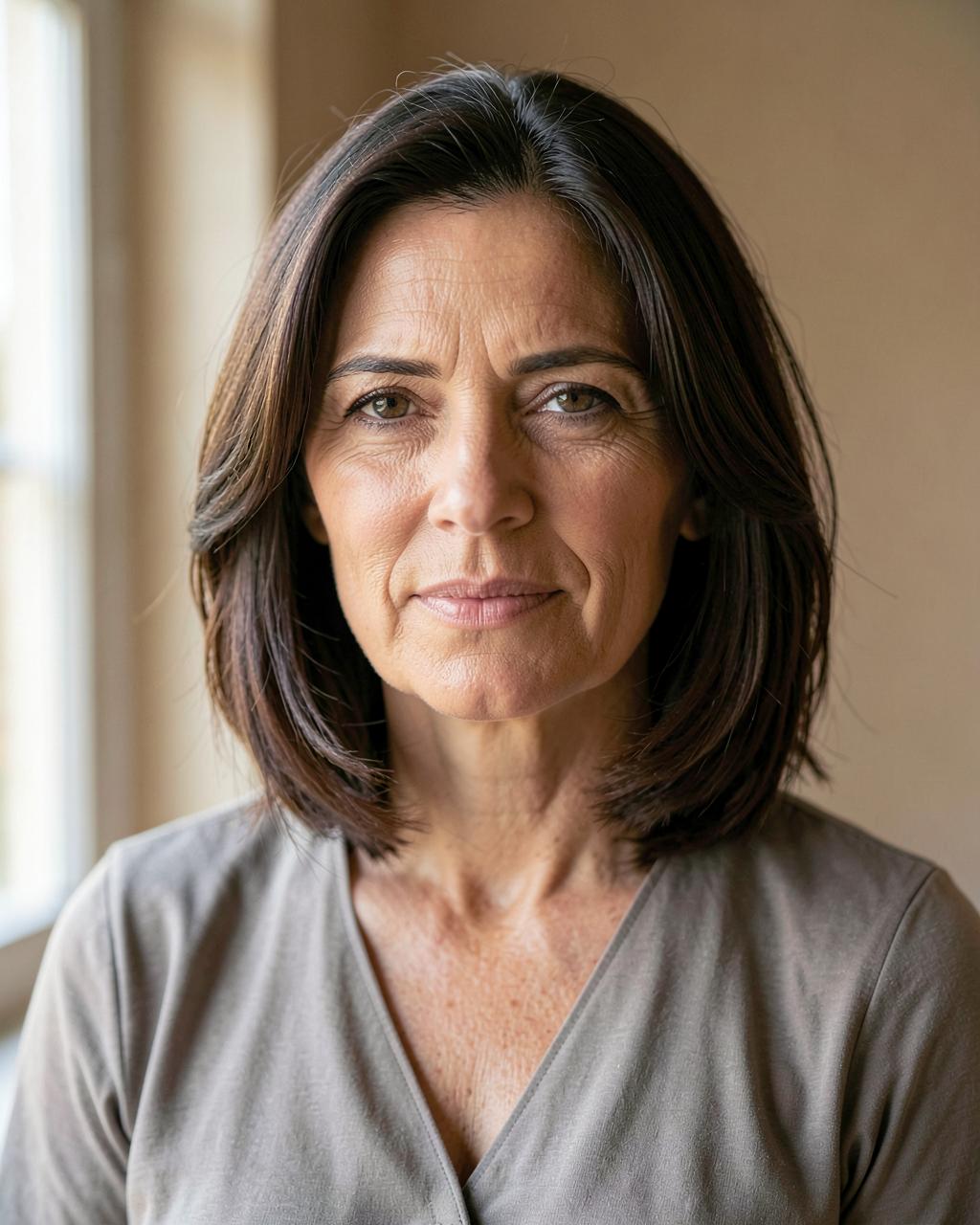
Hair thinning or hair loss can occur during perimenopause and menopause.
Some women notice a wider parting, reduced density, finer hair or increased shedding. Hormonal change may contribute, but genetics, health, medication, stress, nutrition and other factors can also influence the hair.
An individual assessment helps determine whether Elevate’s programme may be suitable or further medical advice should come first.
Your Concerns Are Valid
When Your Hair No Longer Feels Like Your Own
Hair changes during perimenopause or menopause can feel unexpected and difficult to understand. You may notice more scalp through your parting, less volume when styling or a ponytail that feels smaller than it once did.
Some women experience a gradual change. Others become aware of increased shedding over a shorter period. These concerns can affect confidence, but they are not something you should feel expected to simply accept without understanding your options.
Elevate provides a professional environment where you can explain what has changed and receive honest guidance about the next appropriate step. The purpose is not to attribute every concern to menopause or promise that a cosmetic programme will restore your previous hair. It is to consider your individual circumstances and determine whether Elevate may be able to provide suitable support.
Understanding the Wider Picture
Hormones May Be One Part of the Story
Perimenopause and menopause involve changes in hormone levels that can coincide with changes in skin and hair. Some women develop or become more aware of female pattern hair loss during midlife. This may present as gradual thinning around the parting and top of the scalp.
However, hair changes can also be influenced by:
- Genetics and family history
- Recent illness or surgery
- Significant stress
- Weight loss or dietary change
- Iron deficiency
- Thyroid or other health conditions
- Medication
- Scalp conditions
- Haircare and styling practices
- Other forms of hair loss
Several factors can exist at the same time. Elevate does not assume that a woman’s hair is thinning solely because she is menopausal.
Understand the Difference
Pattern Thinning or Increased Shedding?
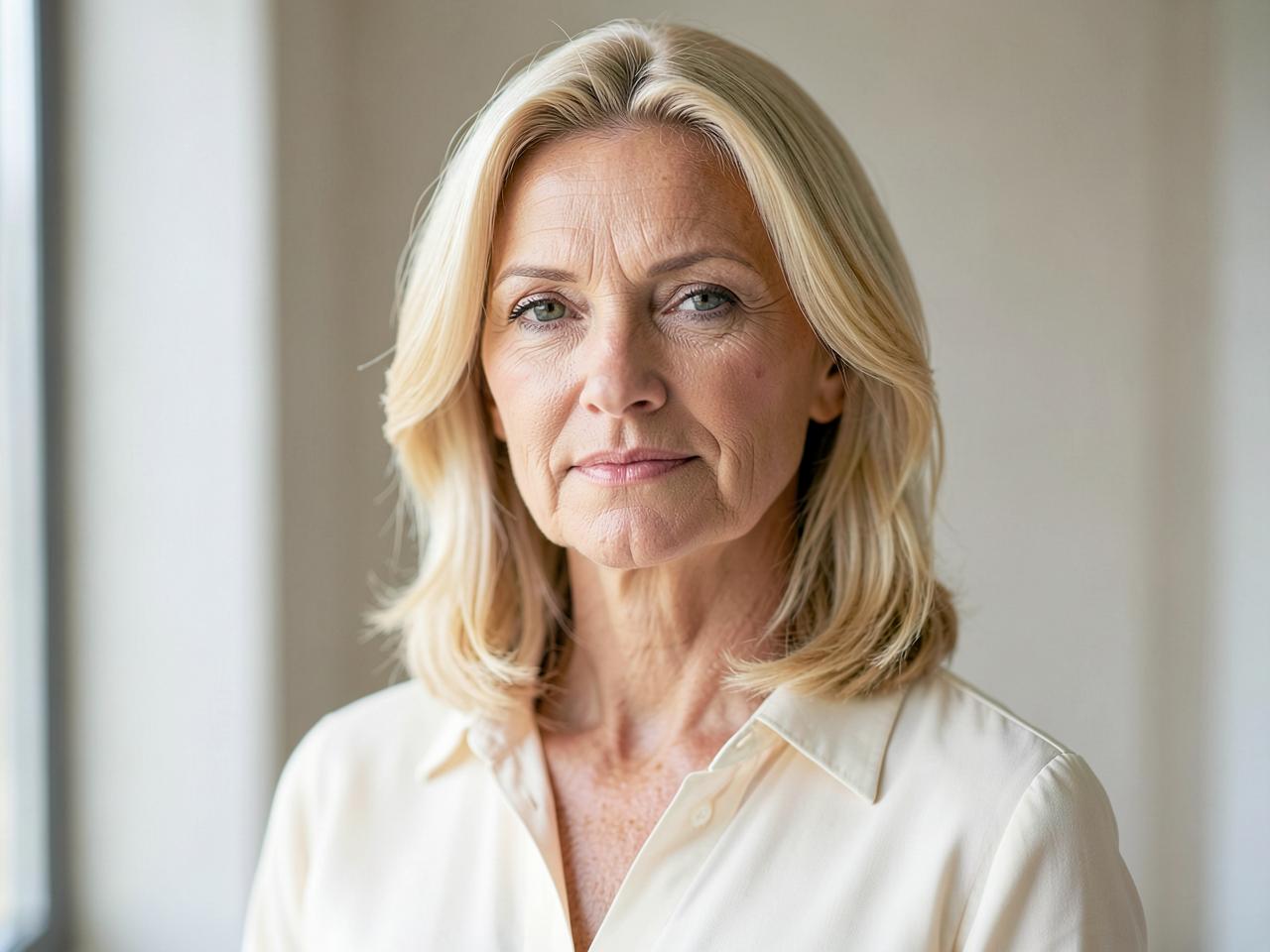
Gradual pattern thinning
- Included: Often develops progressively
- Included: Commonly affects the parting and top of the scalp
- Included: Hair may become finer over time
- Included: Can become more noticeable during midlife
- Included: May be considered for Elevate’s programme
Increased or sudden shedding
- Not suitable: May begin over a shorter period
- Not suitable: May involve increased hair fall across the scalp
- Not suitable: More loose hair may be noticed during washing or brushing
- Not suitable: Can follow illness, stress, weight change or other triggers
- Not suitable: May require medical assessment before cosmetic treatment
Some women experience both gradual thinning and increased shedding. James will ask about the timing and pattern of the changes, but Elevate does not claim to diagnose every form of hair loss. If your shedding is sudden, severe, unexplained or accompanied by other symptoms, contact your GP before beginning cosmetic treatment.
Handled With Dignity
Confidence, Identity and Being Heard
Hair changes during this stage of life can affect the way you feel about yourself. James listens without judgement or assumption, and takes the time to understand your individual experience rather than treating menopause as a label that explains everything.
Why Medical Context Matters
Cosmetic Assessment Is Not a Diagnosis
A cosmetic consultation can consider the pattern and history of your hair changes, but it cannot replace blood tests, dermatology assessment or a GP’s clinical judgement. Understanding this distinction helps ensure you receive the right care, in the right order.
Hair Thinning Should Not Always Begin with Cosmetic Treatment
Speak with your GP or another appropriate healthcare professional when:
- Hair loss is sudden or rapidly worsening
- Shedding is severe or prolonged
- Hair is being lost in defined patches
- The frontal hairline is noticeably receding
- Eyebrow or body hair is also being lost
- The scalp is painful, itchy, inflamed or scaly
- There are signs of infection or scarring
- Hair changes began after new medication
- You have unexplained tiredness, weight change or other symptoms
- You are concerned about a possible nutritional or health-related cause
- Hair loss is affecting your wellbeing
- You are simply worried and want to understand the cause
A healthcare professional can decide whether examination, blood tests, medication review or specialist referral may be appropriate. Elevate does not replace a GP or dermatologist and does not diagnose menopause-related or medical causes of hair loss.
Individual Suitability
Who May Be Suitable for This Programme?
You may be suitable if
- Included: Your parting has gradually become wider
- Included: You have noticed reduced density over time
- Included: The change appears progressive rather than sudden
- Included: You want to explore a non-surgical option
- Included: You are prepared to follow a structured programme
Treatment may need to wait if
- Not suitable: Hair loss is sudden, severe or unexplained
- Not suitable: You are losing hair in sharply defined patches
- Not suitable: The scalp is painful, inflamed or infected
- Not suitable: A recent health change may be contributing
- Not suitable: You have not yet discussed unexplained symptoms with a GP
A Conversation Before Treatment
Understanding What Has Changed
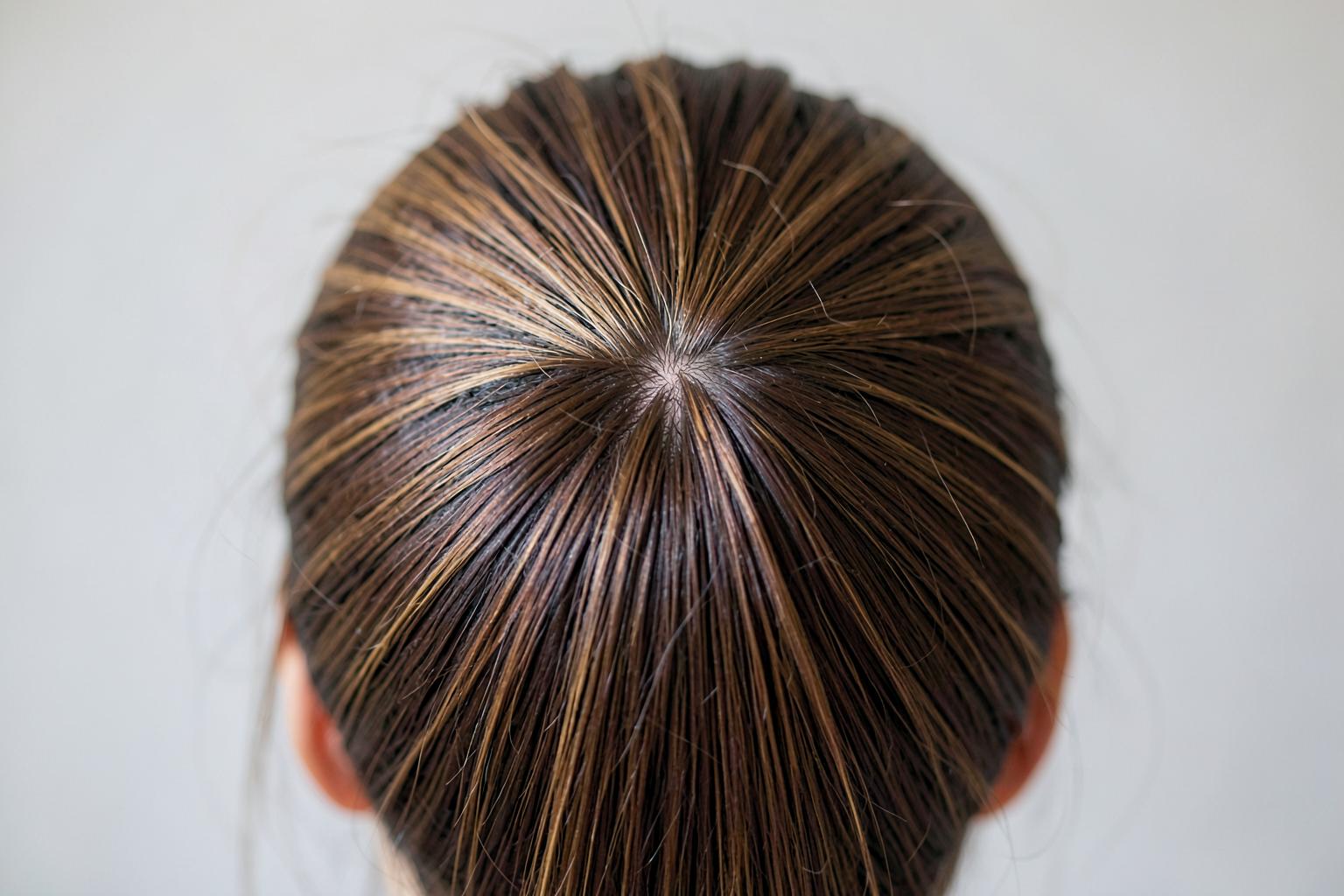
Your consultation gives you time to explain your concerns and how your hair has changed during this stage of life. James may ask about when the changes began, whether they developed gradually or suddenly, the areas of the scalp affected, your menstrual cycle, whether you are perimenopausal or postmenopausal, relevant family history, current health, medication and supplements, HRT where relevant, recent illness or stress, previous advice already received and your desired outcome.
Where appropriate, James may examine the scalp and take standardised baseline photographs. He will not advise you to begin, stop or alter hormone replacement therapy or other prescribed medication — these decisions should be discussed with the healthcare professional responsible for your care.
A Common Question
Supportive Treatment, Not Medical Management
Hormone replacement therapy is prescribed to manage appropriate symptoms and health considerations associated with menopause. Its suitability, benefits and risks must be discussed with an appropriately qualified healthcare professional.
Elevate does not prescribe or recommend HRT as a hair restoration treatment. If you already use HRT, tell James during consultation, because all relevant medication and health information should be considered. Do not begin, stop or change HRT because of information on this website or advice from an unqualified source.
Where Cosmetic Treatment Is Suitable
A Structured Programme Rather Than a Single Appointment
For suitable women experiencing pattern hair thinning, James may recommend Elevate’s proposed 12-week Hair Restoration Programme. The final protocol, number of sessions and package details must be confirmed before publication.
Stage 1
Consultation and Assessment
Your concerns, relevant history and suitability are reviewed before cosmetic treatment is considered.
Stage 2
Baseline Photography
Consistent images may be taken to create a more reliable record of your starting point.
Stage 3
Personalised Programme Planning
James explains the proposed schedule, home-care guidance, likely limitations and costs.
Stage 4
Professional Scalp Microneedling
Planned sessions are carried out at appropriate intervals, subject to continued suitability.
Stage 5
Progress Reviews
James reviews your experience, takes consistent photographs where appropriate, and discusses whether the plan should continue or change.
A 12-week programme represents the active treatment and support period. Hair grows in cycles, so meaningful assessment may extend beyond the final programme appointment.
Honest Information Before You Begin
What Treatment Can and Cannot Promise
Your response may be influenced by the cause and stage of thinning, genetics and family history, hormonal factors, general health, nutrition, medication, scalp health, previous illness or stress, the presence of viable follicles and consistency with the programme.
Elevate cannot promise guaranteed hair regrowth, a return to your previous hair density, an immediate improvement, a complete stop to shedding, restoration of non-viable follicles, a specific increase in density or treatment of an underlying health condition.
The purpose of the consultation is to determine whether the programme offers a realistic option for your circumstances. If James believes it does not, he will explain this honestly.
Documenting your journey
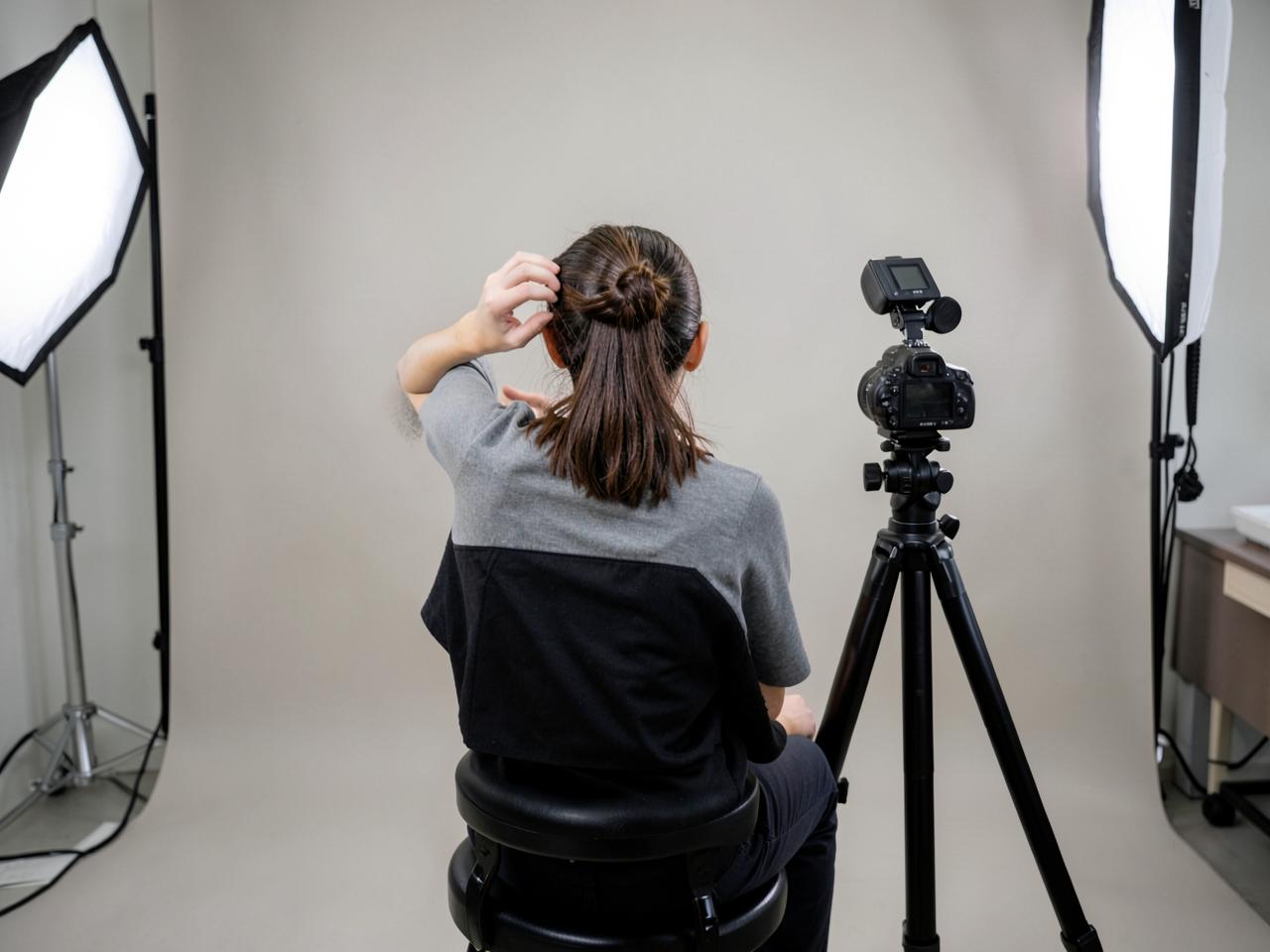
Standardised progress photography
Where you consent, standardised photographs are taken at baseline and at review appointments using consistent positioning and lighting.
This makes it possible to review change objectively over time rather than relying on memory. Photographs are stored securely and are never published without your written permission.
Between Appointments
Supported Home Care
You will receive guidance on caring for your scalp between appointments, along with honest monitoring over an appropriate timeframe. If your circumstances fall outside the type of thinning this programme is designed to support, James may recommend speaking with your GP, dermatologist or another appropriate healthcare professional.
Understand the Commitment Before Starting
The initial treatment cost should be displayed clearly when booking. If the programme is considered appropriate, James will explain what is included, the proposed number of appointments, the review schedule, home-care support and the total expected cost.
Menopause and Hair Thinning
Frequently asked questions
More answers are available on our frequently asked questions page.
Look Refreshed. Feel Restored.
Talk to James About Your Hair Changes
If you have noticed a wider parting, reduced density or increased shedding during perimenopause or menopause, arrange a professional consultation. James will listen to your concerns and explain whether Elevate’s programme, further medical advice or another next step may be appropriate.
All treatments are subject to consultation, assessment and individual suitability. Results vary between individuals and cannot be guaranteed. Where appropriate, clients may be advised to seek assessment from their GP or another healthcare professional.